Strange, biologically perplexing creature found in a garden resembling a terrifying cinematic monster in Chelyabinsk.
In the heart of the Ural Mountains, two cities, Chelyabinsk and Magnitogorsk, are known for their industrial history and typical local fauna. However, a recent discovery by a local resident, Svetlana Polezhaeva, has sparked interest in the study of lesser-known organisms.
Svetlana, a resident of Kopaysk in the Chelyabinsk region, made an intriguing find on her open veranda - Physarum polycephalum, commonly known as "the blob" or "the creature" from the horror film of the same name. To the surprise of her acquaintances, who initially reacted with disgust upon seeing the photo she shared on social media, Svetlana's discovery revealed the diverse and often overlooked organisms that can be found in everyday environments.
Physarum polycephalum is a unique organism, capable of moving independently by merging its cells into a single "body." This trait, which allows it to find the shortest path to food, has attracted the attention of scientists and the general public alike.
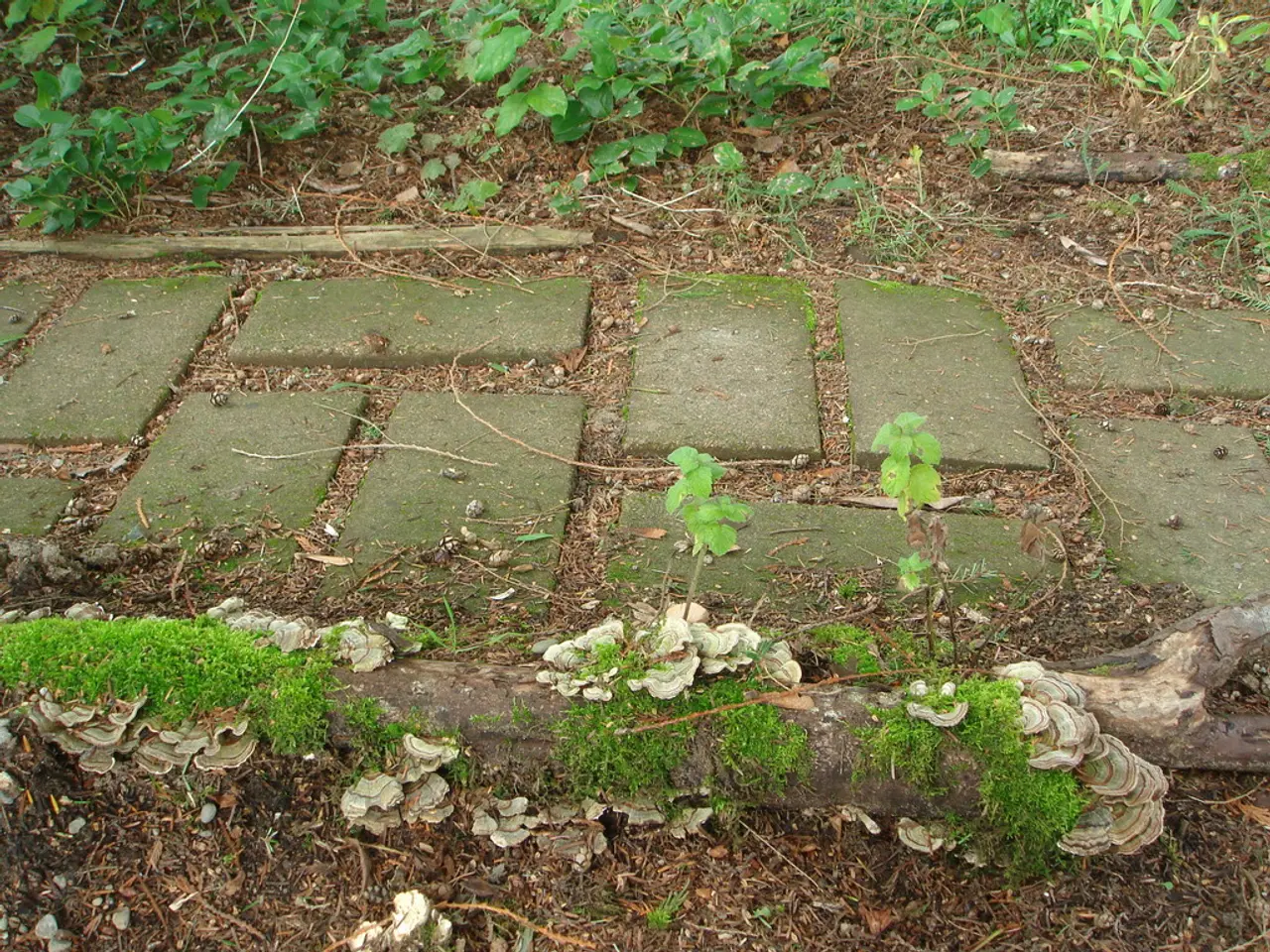
In addition to Physarum polycephalum, Svetlana also discovered a cluster of small balls of different colours on her veranda. These turned out to be mixomycetes, a type of slime mold. Mixomycetes are often found in wet places and participate in the decomposition of organic remains.
Meanwhile, a gardener from the village of Novosineglazovo in Chelyabinsk region found a poisonous mushroom, the spotted webcap. This mushroom, with its original shape resembling a bird's nest or a burnt tartlet, can cause a coma if consumed. The discovery of the spotted webcap serves as a reminder of the diverse and sometimes dangerous organisms that can be found in everyday environments.
For those interested in staying informed about the latest news from Chelyabinsk and Magnitogorsk, subscribing to the "Chelyabinsk that can" and "Steel Magnitogorsk" telegram channels is recommended. These channels provide updates on news from these regions.
While no unusual organisms specifically discovered in Chelyabinsk or Magnitogorsk were found in the current search results, further exploration into scientific journals or contacting Russian biological research institutions specializing in the Ural region may yield more information.
References:
[1] Wikipedia and scientific resources on the Ural region biodiversity. [2] "Fungi. Berries. Herbs. Chelyabinsk and region" group on "Vkontakte" social network. [3] Various news reports on Svetlana Polezhaeva's discovery of Physarum polycephalum and mixomycetes.
- The discovery of Physarum polycephalum and mixomycetes in the Chelyabinsk region by Svetlana Polezhava has sparked interest in health-and-wellness, as these organisms, although often overlooked, can be found in everyday environments.
- The diverse organisms found in the Ural Mountains, such as Physarum polycephalum and mixomycetes, contribute to the study of science, particularly in the fields of health-and-wellness, fitness-and-exercise, and sports, due to their unique properties.
- The discovery of the poisonous mushroom, the spotted webcap, in the Chelyabinsk region by an unnamed resident serves as a reminder of the need for awareness in health-and-wellness, as such organisms can be dangerous if found in everyday environments, such as gardens and forests.