
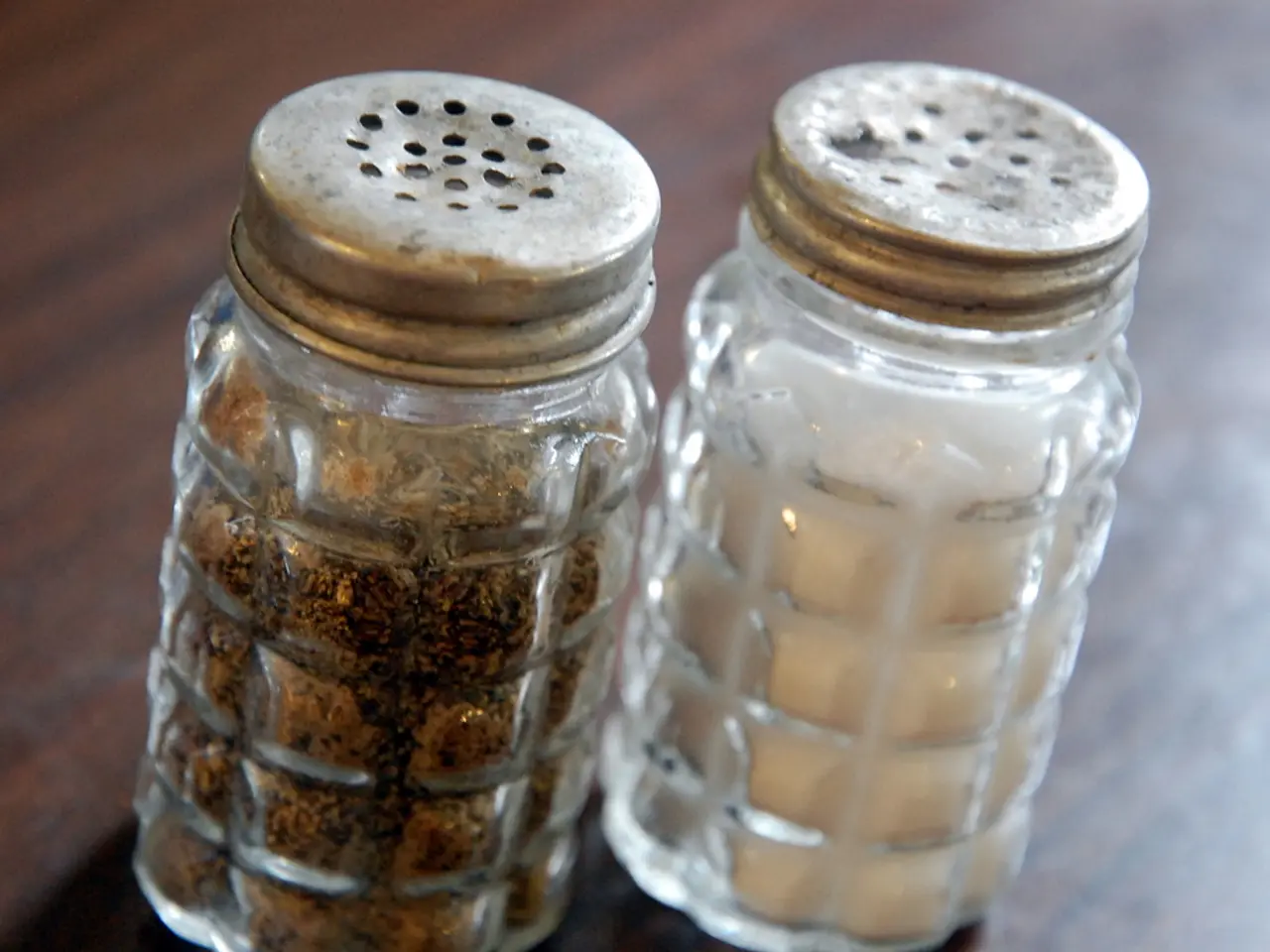
Salt: Usage, Impact, and Origins
Everyone needs a little salt for fluid balance and muscle and nerve function, but too much can lead to health issues like kidney stones, high blood pressure, and cardiovascular disease. The human body regulates sodium levels, but if it's too high, we get thirsty and drink, and the kidneys get rid of the excess.
Extreme low sodium levels, known as hyponatremia, can cause symptoms such as dizziness, confusion, muscle twitches, seizures, and in severe cases, coma or death. Most Americans consume too much salt, due to a high intake of processed, restaurant, and convenience foods.
The body needs a balance of sodium for the health of the heart, liver, and kidneys, and it regulates blood fluids. The AHA recommends a maximum intake of no more than 2.3 grams (g) or 2,300 milligrams (mg) of sodium a day, or around 1 teaspoon, and preferably no more than 1,500 mg. However, average U.S. consumption is approximately 3,400 mg daily, more than twice the ideal limit set by the AHA.
Excess sodium intake is linked to health problems such as hypertension, osteoporosis, and kidney disease. The AHA suggests that when there is too much sodium in the blood, it "pulls more water into the bloodstream." As the volume of blood increases, the heart has to work harder to pump it around the body, which can lead to heart disease and stroke.
It is essential to check food labels for hidden sodium content, especially in processed foods. The AHA's stricter sodium intake recommendation is aimed at optimal cardiovascular health and reducing the risk of high blood pressure. If you have heart failure or milder forms of the condition, sodium intake should be reduced even further to prevent fluid retention and additional strain on the heart.
- To maintain a delicate balance required for heart, liver, and kidney health, it's essential to limit sodium intake as recommended by the AHA, preferably less than 1,500 milligrams (mg) per day, and not exceeding 2,300 mg.
- While moderate sodium is necessary for fluid balance and nerve function, excessive consumption can trigger health concerns such as Alzheimer's, HIV, Multiple Sclerosis (MS), Rheumatoid Arthritis (RA), kidney disease, osteoporosis, and hypertension.
- A public service announcement (PSA) might urge consumers to be aware of hidden sodium content in processed foods, advocate for health-and-wellness by choosing low-sodium alternatives, and commit to fitness-and-exercise routines that help manage sodium levels in the body through increased perspiration.
- The AHA's stricter sodium intake recommendation focuses on attaining optimal cardiovascular health, which in turn reduces the risk of high blood pressure and associated health issues.
- Consuming an average of 3,400 mg of sodium daily, as observed among most Americans, surpasses the ideal limit set by the AHA by more than double, indicating a potential health risk.
- In addition to checking food labels, it's advisable to lower sodium intake for individuals with heart failure or milder heart conditions to prevent fluid retention and alleviate additional strain on the heart. Nutrition plays a crucial role in managing our health, encouraging us to make informed decisions about the food we consume.