QR codes: A tool with potential benefits and risks in patient care management
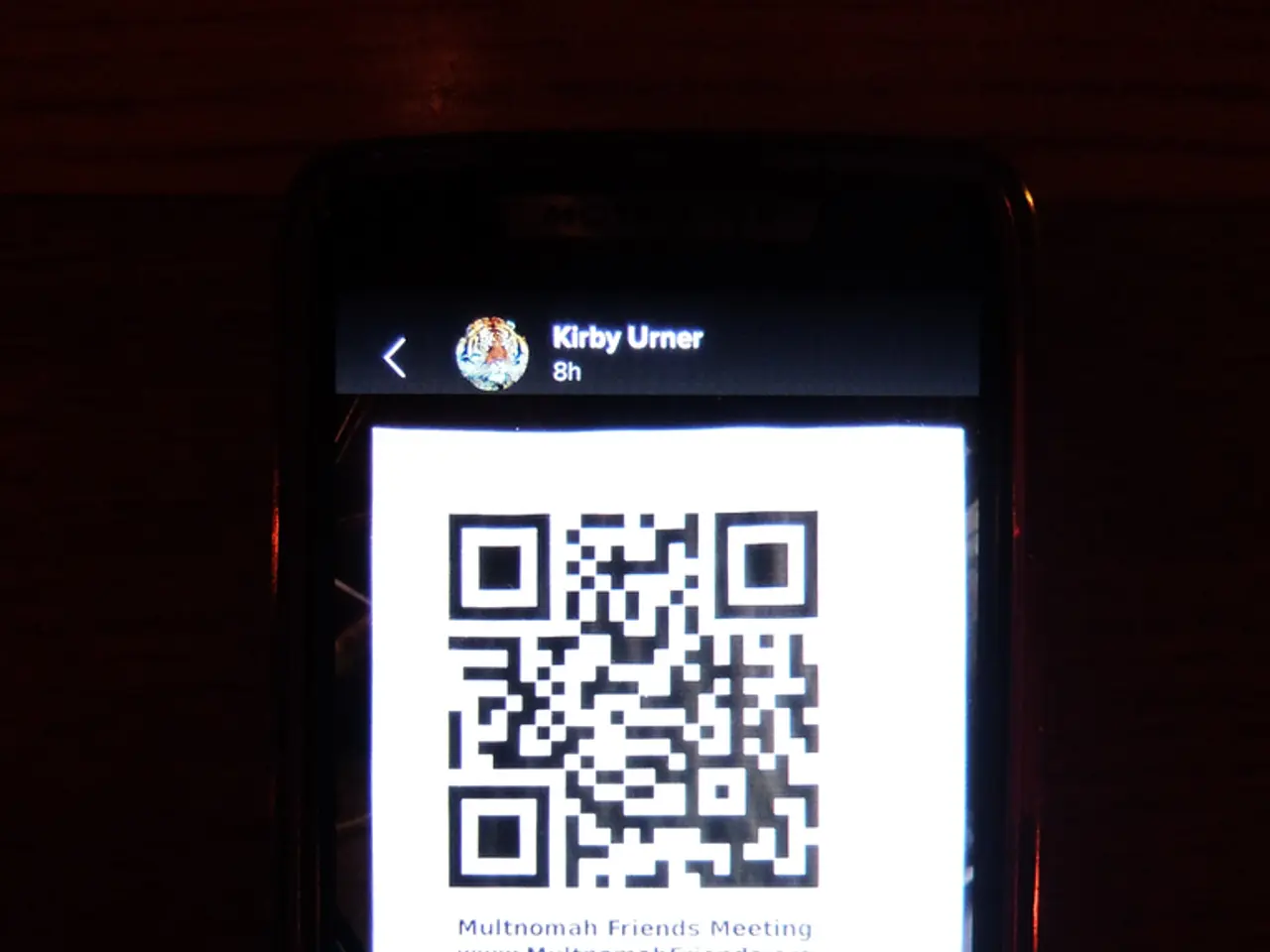
In the digital age, Quick Response (QR) codes have become a ubiquitous part of our daily lives, appearing on everything from baked goods to restaurant menus and TV ads. In the healthcare sector, QR codes offer a convenient way to access vital information about diagnoses or wellness education. However, the large volume and targeted user base of healthcare QR codes make them an attractive target for cyber adversaries aiming to compromise these codes.
To ensure the security of QR codes used for patient data exchange while maintaining convenience and immediate access, healthcare organizations can employ a combination of technical safeguards and best practices.
Firstly, sensitive patient information embedded in QR codes should be encrypted. This ensures that data is only accessible to authorized parties and is protected during transmission and scanning. Proper access controls should also be enforced to restrict who can generate or scan these QR codes.
Secondly, customizing QR codes by adding organization logos, unique patterns, and branded domains makes it harder for attackers to create malicious duplicates. This helps patients and staff easily identify authentic QR codes and reduces risks of phishing or spoofing.
Thirdly, QR codes linking to digital verification pages should be supported by secure platforms that provide robust storage and verification mechanisms. This prevents tampering, forgery, or unauthorized modifications of patient data or certificates accessed via QR codes.
Fourthly, adopting multi-factor authentication (MFA) when scanning or accessing patient data through QR codes can prevent unauthorized access even if the QR code is compromised.
Encouraging the use of trusted QR code scanners that preview URLs before opening and verify SSL certificates on linked websites is another essential step. Educating staff and patients to only scan QR codes from trusted sources further reduces risks.
Health IT teams should work to make QR codes less susceptible to tampering, and patients should be cautious about where QR codes are displayed. Healthcare organizations should set a policy for approved QR codes and educate their team on where to obtain them.
Patients should also ensure their smartphone's operating system is up-to-date before scanning QR codes and run mobile security software on their devices. They should avoid entering personal information from a site served up from a QR code, downloading apps through a QR code, and check the web address of scanned QR codes for authenticity.
Despite the risks, QR codes deliver real value when used effectively in healthcare due to their ease of engagement and the ability for providers to easily update information. However, it is crucial to remember that QR codes are part of the overall attack surface in terms of cybersecurity, and steps must be taken to secure them to protect patient data. By combining these approaches, healthcare organizations can balance the need for secure patient data exchange using QR codes with the demand for user-friendly, immediate access to information, thereby minimizing cybersecurity risks while enhancing operational efficiency and patient experience.
In the realm of health-and-wellness, technology like QR codes is increasingly being employed for mental-health therapies-and-treatments, offering a method for users to access digital resources. To ensure the security of these QR codes, data-and-cloud-computing technology can play a role in implementing encryption, access controls, and robust storage systems. Furthermore, the adoption of multi-factor authentication and educated awareness about trusted QR code scanners can also help safeguard mental-health data from cybersecurity threats, thereby maintaining the privacy and security of patients. By combining these technological advancements with best practices, the healthcare sector can leverage QR codes in a secure and efficient manner, enhancing the overall user experience while also safeguarding sensitive information.