Mosquito Bites: Recognizing Symptoms, Understanding Potential Complications, and Implementing Preventive Measures
In the fight against mosquito-borne diseases, education and prevention are key. Here's a guide on how to protect yourself and your community from these pesky insects.
Firstly, effective mosquito repellents play a significant role in personal protection. EPA-approved repellents containing active ingredients such as DEET, picaridin, or oil of lemon eucalyptus offer strong, long-lasting protection. Apply these repellents thoroughly on exposed skin, especially ankles, wrists, and the neck, and reapply as directed, particularly after sweating or swimming. For those preferring natural options, citronella, lavender, or peppermint oils can offer mild but shorter-lasting protection [1].
Wearing protective clothing is another effective measure. Covering skin reduces bite exposure. Wear light-colored, loose-fitting long-sleeved shirts and pants since mosquitoes are attracted to dark colors. Clothing treated with permethrin insecticide adds a protective barrier. For outdoor activities, accessories such as hats with mosquito netting can enhance protection [1][2].
Eliminating mosquito breeding sites is crucial. Mosquitoes breed in standing water. Regularly empty or remove containers like flower pots, birdbaths, watering cans, old tires, buckets, and kiddie pools that collect water. Maintain your yard by mowing tall grass and clearing weeds, which provide mosquito resting places [2][4].
Creating a mosquito-proof home environment is another vital step. Install fine mesh screens on windows and doors to block mosquito entry. Seal cracks or gaps around doors and windows. Use indoor mosquito control methods such as electric mosquito zappers, mosquito-repelling candles (citronella or eucalyptus), and ceiling fans, which disrupt mosquito flight [1].
Community and educational efforts are vital in reducing mosquito populations. Hosting community cleanup events to dispose of water-holding items like tires and educating people—especially children—on recognizing breeding habitats help reduce mosquito populations. Using signage with QR codes linking to educational resources enhances community knowledge and engagement [3].
Additional yard strategies include planting mosquito-repelling plants such as citronella grass, basil, catnip, and lavender around living areas. Mosquito traps can also help reduce numbers locally. Setting up fans outdoors can disturb mosquito flight and reduce biting [4][5].
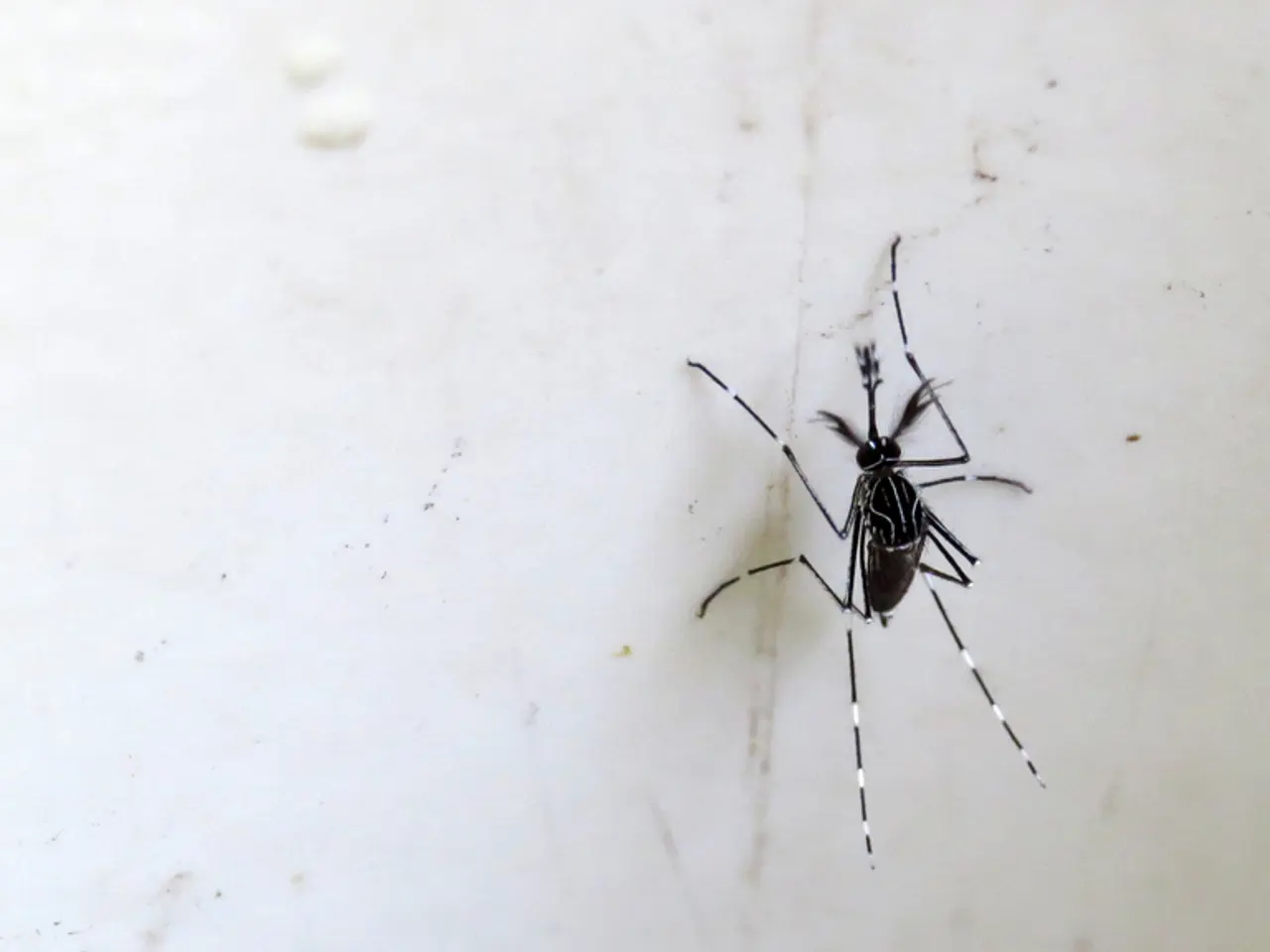
By integrating these approaches—personal protection, habitat reduction, home barriers, and community education—individuals and communities can effectively reduce mosquito bites and lower the risk of mosquito-borne diseases such as malaria. It's important to note that mosquito-borne diseases cause millions of deaths worldwide annually, with malaria being one of the most commonly known diseases unique to mosquitoes [6].
Treatment for mosquito bites typically involves over-the-counter creams or oral antihistamines to relieve itching and swelling. However, it's crucial to seek medical care for insect bites and stings if symptoms worsen or persist, as mosquito bites can carry dangerous diseases such as malaria [7].
Remember, only female mosquitoes bite people, and it's their blood that serves as a source of protein for female mosquitoes' eggs [8]. By taking preventive measures, you can significantly reduce your risk of mosquito encounters and the health risks they pose.
Sources: [1] Centers for Disease Control and Prevention. (2021). Protect Yourself and Your Family from Mosquito Bites. [2] World Health Organization. (2019). Mosquito Bites: Prevention and Control. [3] Mosquito Squad. (n.d.). Community Mosquito Control Programs. [4] National Pesticide Information Center. (2020). Mosquito Control: Reducing Mosquito Breeding Sites. [5] Mosquito Magnet. (n.d.). How Mosquito Magnet® Works. [6] World Health Organization. (2020). Malaria. [7] Mayo Clinic. (2020). First Aid: Insect bites, stings, and reactions. [8] University of California, Davis. (n.d.). Mosquitoes.
- In the realm of health-and-wellness, it's essential to be aware of psoriatic arthritis, a condition that can manifest as joint pain and swelling, often accompanied by a fever. In science, PSA (Prostate Specific Antigen) tests are commonly used to help diagnose this type of arthritis.
- Connecting the above topic to mosquito-borne diseases, it's vital to note that some mosquito species, like the Aedes genus, can spread pathogens causing diseases like Zika, which is linked to psoriatic arthritis flare-ups. Use preventive measures against mosquitoes to protect both physical health and the risk of psoriatic arthritis.
- For those diagnosed with psoriatic arthritis, consulting their healthcare provider about the appropriate medications and lifestyle modifications can help manage symptoms, alongside adhering to general health-and-wellness practices like using mosquito repellents and eliminating mosquito breeding sites.