lower cholesterol levels naturally using this supplement
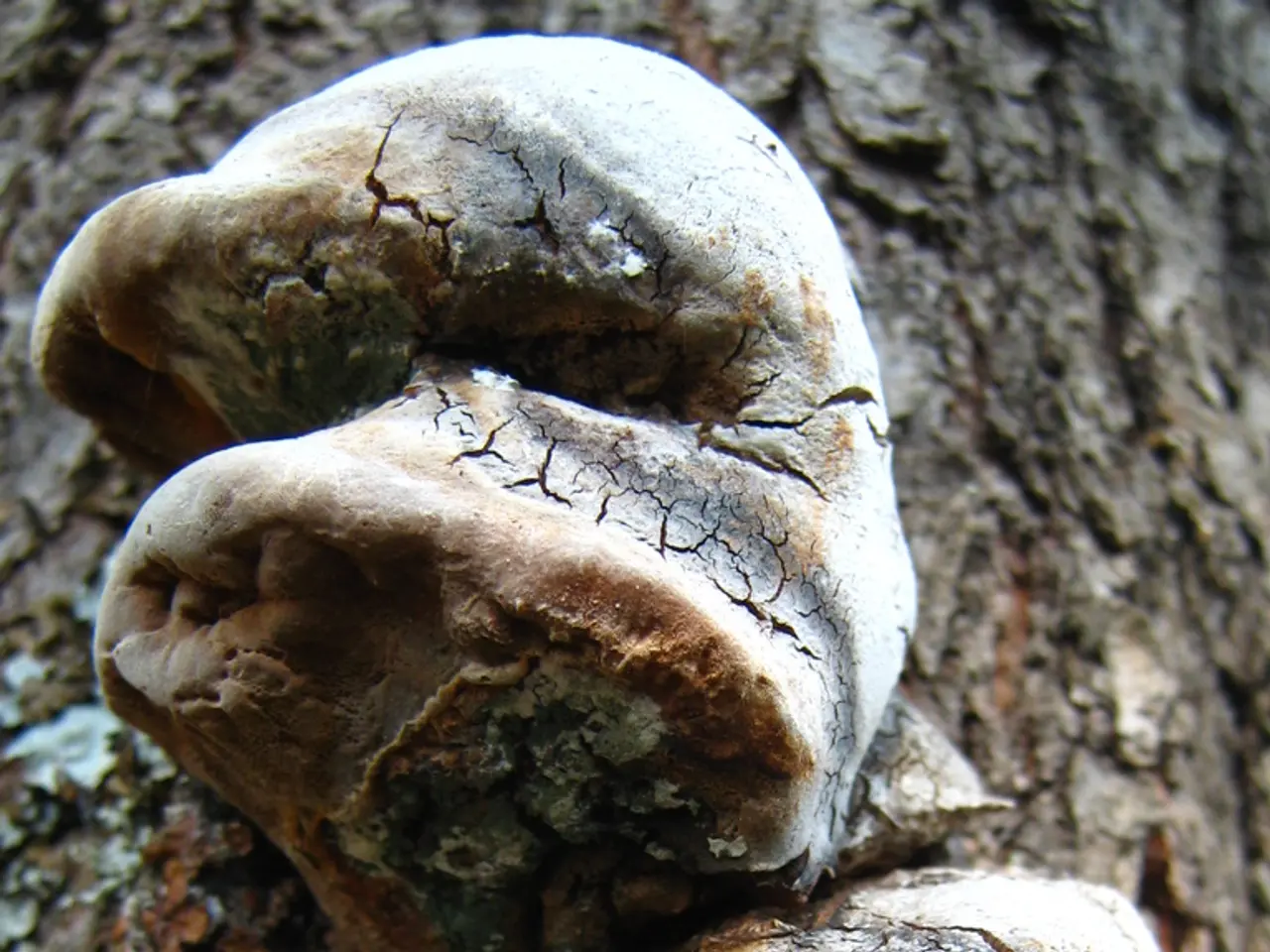
In this unfiltered, no-holds-barred guide, we're diving deep into the world of Aspergillus mold, a ubiquitous fungi that you'll find hanging out in various environments. Although these molds play a vital role in ecological balance, some species can wreak havoc on human health by producing mycotoxins - those nasty, toxic secondary metabolites.
Here's a rundown of the usual suspects when it comes to Aspergillus exposure:
- Indoor Air: These molds love damp, poorly ventilated homes, especially those with water damage, making bathrooms, basements, and HVAC systems prime real estate.
- Outdoor Environments: Found in soil, decaying vegetation, and compost piles, Aspergillus spores can float on the breeze and invade your living space like an unwanted roommate.
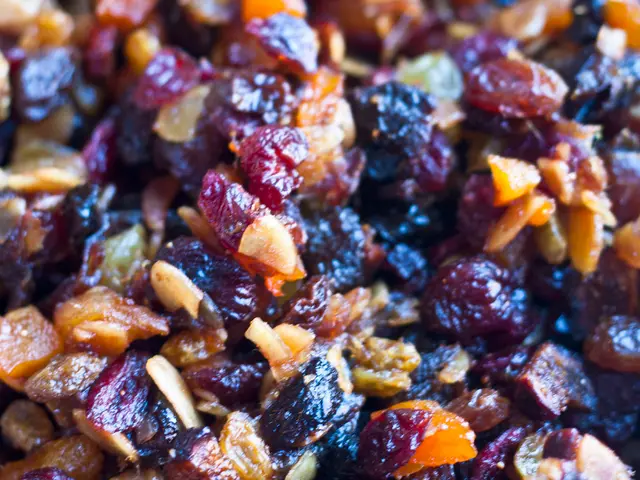
- Food: Grains, nuts, spices, dried fruits, and coffee beans are susceptible to Aspergillus contamination during storage and processing, especially in warm and humid conditions.
- Medical Settings: Hospitals and clinics may have Aspergillus lurking around, upping the risk of nosocomial infections, especially for those with compromised immune systems.
- Industrial Settings: Agriculture, food production, and waste management workers are more likely to breathe in plenty of Aspergillus spores.
The Top 5 Mycotoxins you need to keep an eye out for:
- Aflatoxins: Mainly produced by Aspergillus flavus and Aspergillus parasiticus, they're often found in peanuts, maize, and tree nuts. These bad boys are potent carcinogens linked to liver cancer and acute liver damage, immune suppression, and developmental issues.
- Ochratoxin A: Generated by Aspergillus ochraceus and Aspergillus carbonarius, it's usually contaminating cereals, coffee, dried fruits, and wine. This toxin is nephrotoxic, leading to kidney damage and chronic kidney disease and may also be neurotoxic and carcinogenic.
- Gliotoxin: This guy is produced by Aspergillus fumigatus, a common indoor and outdoor mold. Gliotoxin suppresses the immune system, making individuals more susceptible to infections and diseases.
- Sterigmatocystin: A precursor to aflatoxins, it's produced by various Aspergillus species and often found in grains and indoor air. This nasty toxin is a carcinogen linked to liver and lung cancers.
- Fumigaclavines: Produced by Aspergillus fumigatus and related species. These mycotoxins are neurotoxic and can contribute to neurological disorders, and exacerbate inflammatory conditions.
Exposure to Aspergillus mycotoxins can cause a range of health issues:
- Cardiovascular troubles: Aspergillus mycotoxins, such as ochratoxin A, have been linked to hypertension and endothelial dysfunction, increasing the risk of cardiovascular diseases.
- Respiratory problems: Inhaling Aspergillus spores and mycotoxins can lead to allergic reactions, asthma, and hypersensitivity pneumonitis.
- Chronic toxicity: Long-term exposure to mycotoxins like aflatoxins and ochratoxin A can result in liver damage, kidney failure, and an increased risk of cancer.
- Neurological effects: Mycotoxins like gliotoxin and fumigaclavines can impair brain function, leading to cognitive decline, mood disorders, and other neurological issues.
- Immune suppression: Some mycotoxins weaken the immune system, making individuals more susceptible to infections and chronic diseases.
If you think you might be exposed, consider taking a home test or a urine test. If high levels of mycotoxins are detected, remove the sources, and bind the toxins. For more support, get in touch with us to help you rid your body and life of Aspergillus toxins and other pollutants. Go ahead, start now.
In the realm of health-and-wellness, it's essential to be aware of the impact of mycotoxins from Aspergillus mold, especially when it comes to nutrition. For instance, some food supplements may contain Aspergillus-contaminated ingredients like grains, nuts, spices, dried fruits, and coffee beans, which could lead to health issues. Hence, it's advisable to choose supplements from reliable sources that ensure proper food processing and storage to minimize exposure to harmful mycotoxins. Additionally, maintaining a well-balanced diet rich in essential nutrients can help fortify the body against the potential harmful effects of Aspergillus mycotoxins.