
Local Trends and Behaviors
The **takahē** (Notornis hochstetteri), a flightless bird native to New Zealand, is a vital component of the country's ecological communities, particularly in alpine and sub-alpine regions. Understanding the intricate relationships within takahē populations and their broader ecological communities is crucial for conservation efforts.
In the Murchison Mountains, takahē inhabit grasslands and tussock grasslands, feeding primarily on grasses and snow tussock grass (Chionochloa spp.). Their reliance on this specific grass species is noteworthy, as it serves as both a food source and a habitat component.
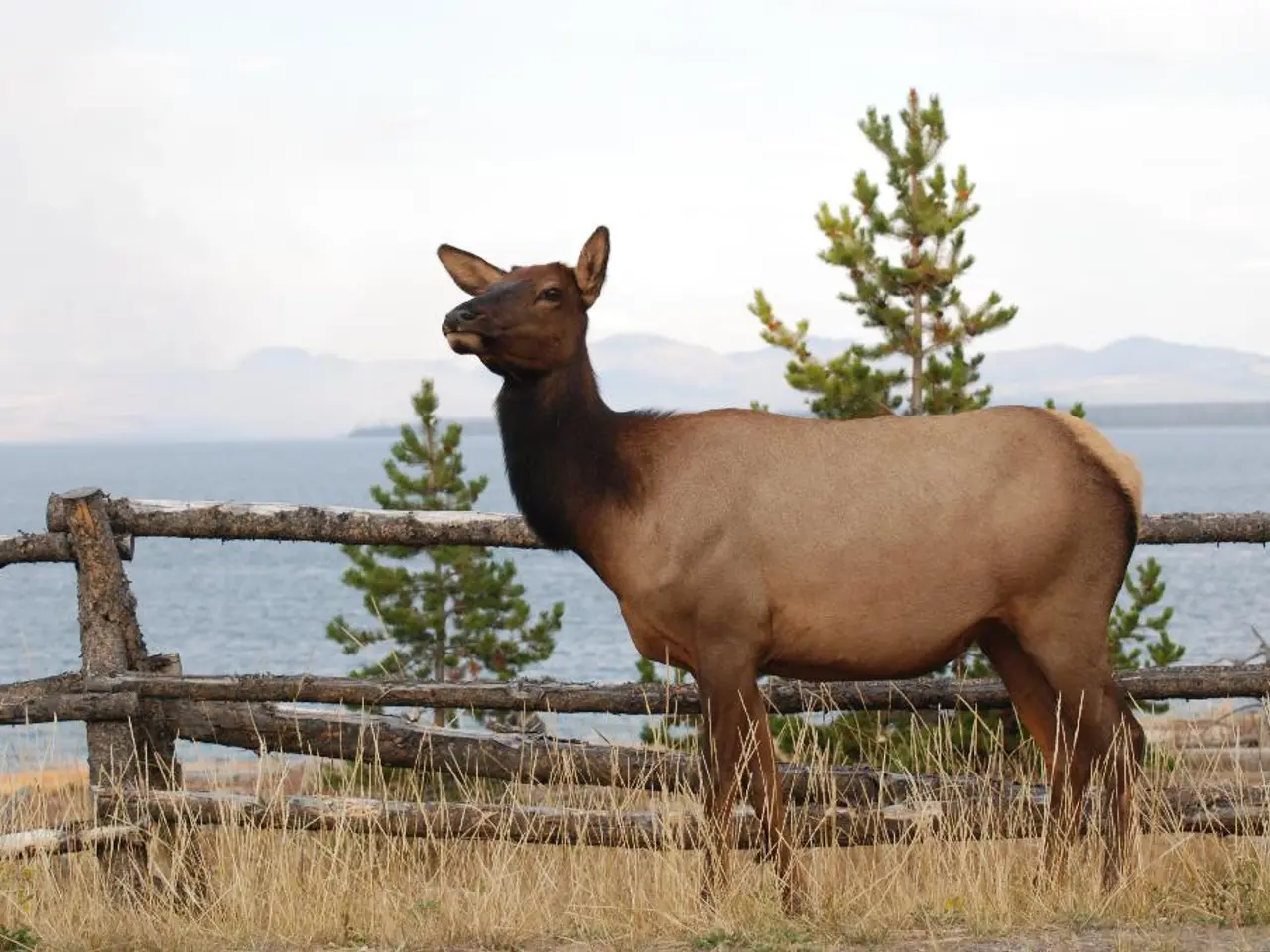
Takahē face threats from predators such as stoats (Mustela erminea), introduced mammals that have significantly impacted New Zealand's native wildlife. Effective predator control is essential for maintaining takahē populations. Red deer (Cervus elaphus) also pose a threat through competition for food resources in some habitats.
The interactions between takahē, stoats, red deer, and snow tussock grass are complex and interconnected. Stoats are a primary threat to takahē, preying on both adults and chicks. Red deer can alter vegetation patterns through grazing, potentially impacting takahē habitat quality and food resource availability. The health and density of snow tussock grass are vital for takahē survival, as changes in tussock grass cover can affect their food supply and shelter.
Conservation strategies for takahē focus on managing predator populations, maintaining habitat quality, and monitoring interactions with other species like red deer. Recent successes in predator control, such as the use of new meat baits targeting feral cats, highlight the potential for innovative approaches to benefit takahē conservation indirectly by reducing overall predator pressure.
Offshore islands may also exhibit unique interrelationships between takahē, stoat, and red deer, differing from those observed in the Murchison Mountains. Comparing and contrasting these distinct environments can provide valuable insights for conservation initiatives.
In conclusion, understanding the complex interactions within takahē ecological communities is essential for effective conservation. By addressing threats from predators like stoats, managing competition with herbivores like red deer, and preserving crucial habitat components such as snow tussock grass, conservation efforts can work towards maintaining healthy and sustainable takahē populations.
Science plays a vital role in understanding the intricate relationships within takahē populations and their broader ecological communities, including health-and-wellness aspects related to their food source, snow tussock grass. Additionally, the study of environmental-science, specifically focusing on the interactions between takahē, stoats, red deer, and the snow tussock grass, is crucial for developing effective conservation strategies.