
Is it True that Prunes Effectively Alleviate Chronic Constipation as Claims Suggest?
Hey there, straight shootin' here! Prunes might just be your ticket if you're dealing with that pesky constipation. Not because they got some secret superpowers, but because their special nutritional make-up gives 'em a natural advantage.
So, what makes prunes so special? As it turns out, all the rumors are true—they do indeed help flush out your gut, thanks to their ability to stimulate your bowels. How? Well, research suggests prunes are more effective than the well-known fiber supplement, psyllium, at, well, you know. It all boils down to three key factors: fiber, sorbitol, and phenolic compounds. Let's dive a little deeper into each.
First up, fiber. You might not be consuming enough for optimal toilet time, so it's no wonder that upping your intake can help solve the issue. Prunes are chock-full of this specific carb, with one quarter cup packing around three grams, according to the USDA. This is crucial for smooth sailing through your digestive tract since fiber helps soften and bulk up your stool, speeding its journey.
Now, fiber isn't the only reason prunes are good for treating constipation. Sorbitol, a sugar alcohol commonly found in candy and chewing gum, is another key player. Besides giving prunes their characteristic sweetness, sorbitol draws water into the digestive tract, giving a natural laxative effect and helping make stools softer and easier to pass.
Compared to most other types of fruit, prunes are particularly rich in phenolic compounds, whose antioxidant properties may enhance the laxative effects of both fiber and sorbitol. What's more, these components may also help fight constipation by boosting your gut health. For example, they can enhance the bacterial diversity in your gut, which in turn lowers your risk of constipation.
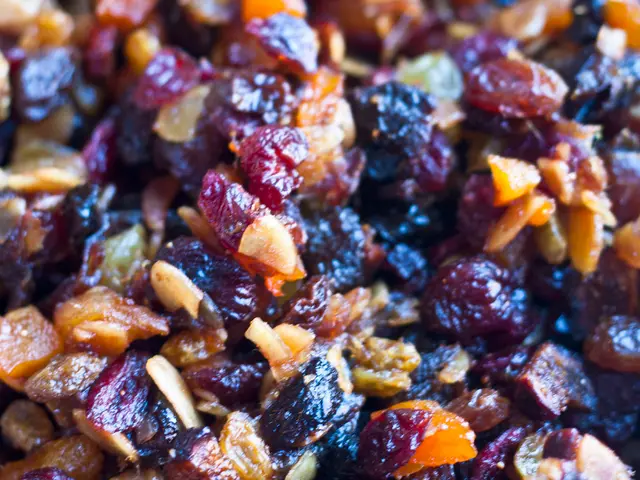
So, what about other fruits? While prunes have a special triple-whammy courtesy of their fiber, sorbitol, and phenols, that doesn't mean they're the only option. Any dried fruit high in sugar and fiber, such as figs, dates, apricots, and raisins, will help as well. Fruits in general, including types with high sorbitol content like apples, pears, peaches, plums, and cherries, are also effective, as are fruit juices like prune and apple.
But remember, not everyone responds the same way to these remedies. Those following a low-FODMAP diet, like some folks with IBS or other stomach issues, might need to steer clear of high-sorbitol fruits due to potential digestive discomfort (gas, bloating, or even diarrhea). In that case, fruits higher in fiber but lower in sorbitol, like kiwi or raspberries, would be a better option.
Now, how many prunes should you eat for best results? The answer: don't overdo it! Too many prunes at once could overwhelm your gut, leading to digestive distress (lots of bloating and diarrhea). Aim for about 25–30 grams of fiber each day for optimal bowel movements, but don't make prunes your primary source of that fiber. A few prunes should do the trick—try starting with two or three, or half a cup to a cup of juice. Remember, flexibility is key here: everyone is different, and you might need more or less.
Still curious about prunes and their magical pooping powers? Check out our related articles on high-fiber fruits, the dangers of mixing grapefruit with meds, and the importance of washing your bananas (seriously!).
Sources:1. Francè, R., Biffi, A., Carroccio, A., Tamburini, S., Morelli, L., & Chiarioni, G. (2010). Prunes versus psyllium as laxative treatment in constipated patients. Nutrition and Metabolism, 7, 50. https://doi.org/10.1186/1743-7075-7-502. Nanji, A. A., & Mayer, E. A. (2015). Gastrointestinal physiology of fiber. Gastroenterology, 149(5), 1242-1256. https://doi.org/10.1053/j.gastro.2015.08.0223. O'Sullivan, K. L., Rojanasakul, S., Andrew, L., & Mikail, S. (2018). Best dietary practices for the relief of constipation: a narrative review. Journal of Clinical Gastroenterology, 52(5), 367-374. https://doi.org/10.1097/MCG.00000000000011634. Van Wijck, M. I., & Tack, J. (2018). Pharmacological management of chronic constipation. Gastroenterology Clinics, 47(3), 367-381. https://doi.org/10.1016/j.gtc.2018.03.007
- Prunes, rich in health benefits, might alleviate chronic constipation due to their fiber content and ability to stimulate the bowels.
- The fiber in prunes, essential for optimal digestive health and smooth stool passage, is found in abundance, with one quarter cup containing around 3 grams.
- Besides fiber, prunes contain sorbitol, a natural laxative that attracts water to the digestive tract, softening stools and easing bowel movements.
- Phenolic compounds in prunes, known for their antioxidant properties, further magnify the laxative effects of fiber and sorbitol while boosting gut health.
- Other dried fruits such as figs, dates, apricots, and raisins, abundant in sugar and fiber, can also aid in treating constipation.
- Fruits like apples, pears, peaches, plums, cherries, and fruit juices like prune and apple are also effective in managing constipation due to their high sorbitol content.
- However, those following a low-FODMAP diet may experience digestive discomfort from high-sorbitol fruits and should opt for fruits lower in sorbitol but higher in fiber, such as kiwi or raspberries.
- Aim for 25-30 grams of fiber daily for optimal bowel movements, but don't solely rely on prunes for your daily fiber intake to avoid digestive distress.
- Lifestyle modifications, like regular exercise, healthy diet, sufficient sleep, and stress management, contribute significantly to maintaining overall health and digestive wellness.
- News reports on the latest health and wellness trends, along with lifestyle advice for workplace wellness, offer useful insights for maintaining a balanced lifestyle.
- Medical conditions, such as chronic diseases, autoimmune disorders, mens and womens health issues, skin conditions, cance, neurological disorders, and other medical complications, require professional consultation and care.
- Science is continually advancing our understanding of digestive health, cardiovascular health, skin care, hearing, eye health, and more, giving rise to innovative therapies and treatments.
- Nutrition plays an integral role in maintaining health and managing several medical conditions, such as diabetes, heart disease, and more.
- Therapies and treatments for various medical conditions, including advanced technologies like transplants, stem cell therapies, and surgical interventions, are evolving rapidly.
- The role of CBD in treating chronic pain, anxiety, depression, and other medical conditions has sparked interest in the scientific community, warranting further research.
- Relationships, pets, travel, cars, shopping, fashion and beauty, home and garden, and other aspects of life contribute to our overall health and well-being, shaping our lifestyle as a whole.
- Dietary choices, including following diets for specific medical conditions, choosing organic produce, or considering Mindful Eating practices, impact our health and wellness greatly.
- Regular exercise, proper nutrition, sleep, stress management, and overall self-care are vital components of a comprehensive health and wellness strategy for a balanced lifestyle.