
Investigating Practical Approaches to Mental Health Care
Mental health issues, such as anxiety, depression, and stress, are common among many people today. Fortunately, evidence-based mental health treatments are available to help manage these challenges effectively.
These treatments often involve customized plans that blend various approaches, including psychotherapy, medication, mindfulness and relaxation techniques, lifestyle adjustments, and holistic modalities.
Psychotherapy
Psychotherapy, also known as talk therapy, is a common way to treat mental health problems. Several forms of psychotherapy exist, including cognitive behavioral therapy (CBT), dialectical behavior therapy, interpersonal therapy, and psychodynamic therapy. Each type of psychotherapy helps people in different ways by focusing on how they think and feel.
For instance, CBT is a foundational, evidence-based modality effective for anxiety and other mental health disorders. It focuses on identifying and changing negative thinking patterns and behaviours. Other therapies, such as Acceptance and Commitment Therapy (ACT), Exposure Therapy, and Mindfulness-Based Stress Reduction (MBSR), are also used.
Medication
Medication, such as antidepressants, anti-anxiety medicine, and mood stabilizers, is another important way to treat mental health problems. However, the effectiveness of medication can depend on the person's brain and the type of problem they have. It's crucial to talk with a doctor before taking medication for mental health, as they can help decide if it's right and check for any side effects.
Mindfulness and Relaxation Techniques
Mindfulness and relaxation techniques, such as meditation, yoga, and deep breathing, can lower stress and help people feel calmer and more in control. These practices are easy to add to one's daily routine and don't require special training. In fact, integrating mindfulness practices with therapy (e.g., CBT combined with mindfulness) has been shown to significantly improve anxiety and emotional regulation.
Lifestyle Changes
Personalized lifestyle interventions addressing diet, exercise, sleep, and stress management are important adjuncts. Lifestyle improvements contribute to overall mental well-being and complement psychotherapy and medication.
Holistic Approaches
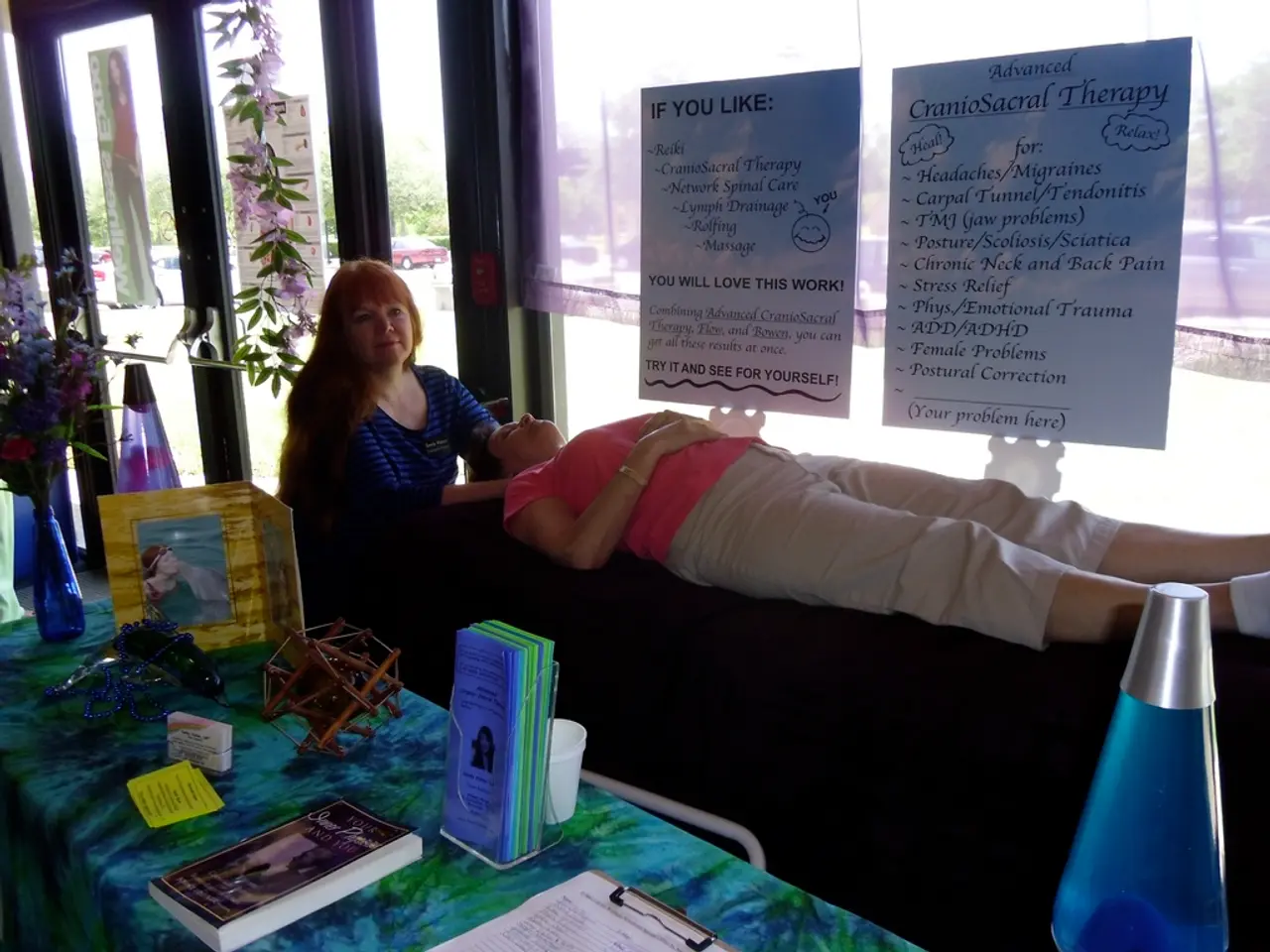
Holistic therapy treats the individual as a whole, addressing emotional, physical, and social factors simultaneously. Modalities such as yoga, meditation, nature therapy, aromatherapy, and acupuncture are included to enhance overall wellness beyond symptom reduction. These approaches can be integrated with traditional treatments to address root causes more effectively.
Comprehensive Integrated Models
Some programs and models, like Certified Community Behavioral Health Clinics (CCBHCs) and community-based psychosocial rehabilitation (e.g., the Clubhouse model), provide integrated care combining mental health and substance use treatment with peer support, vocational help, and physical healthcare integration.
In summary, effective evidence-based mental health care often involves customized plans blending psychotherapy (CBT and related therapies), medication, mindfulness/relaxation techniques, lifestyle adjustments, and holistic modalities to treat complex, multifaceted mental health needs. The emerging consensus favours integrated, patient-centered approaches over singular modalities.
Consulting with mental health professionals can help in choosing the most appropriate mental health treatment. Remember, asking for help for mental health problems can be challenging, but finding the right treatment can be beneficial. Taking care of mental health can help improve one's life.
- Psychotherapy, such as cognitive behavioral therapy (CBT) and dialectical behavior therapy, are evidenced-based modalities that focus on helping people change their negative thinking patterns and behaviors to manage mental health issues.
- Medication, like antidepressants and anti-anxiety medicine, can be effective for treating mental health problems; however, their effectiveness depends on the person's brain and the kind of problem they have.
- Mindfulness and relaxation techniques, like meditation, yoga, and deep breathing, can lower stress levels and help people feel calmer and more in control, and integrating these practices with therapies like CBT can significantly improve anxiety and emotional regulation.
- Holistic therapy approaches, including yoga, meditation, nature therapy, aromatherapy, and acupuncture, can enhance overall wellness by addressing emotional, physical, and social factors simultaneously, which can be integrated with traditional treatments to address root causes more effectively.