Exploring Zeaxanthin: Its Advantages and Potential Drawbacks
Colorful Carotenoids: The Powerhouses Behind Vibrant Fruits and Veggies
Are you ready to dive into the world of powerful antioxidants that not only fight harmful free radicals but also contribute to your overall health? Buckle up, because we're talkin' 'bout those mighty carotenoids, and specifically, we'll focus on zeaxanthin, a player you might be familiar with.
But first, put your cybernetic guards on standby, because these carotenoids aren't here to take over Earth (except maybe your taste buds). Instead, they're naturally found in many of the vibrantly colorful fruits and vegetables, like oranges, goji berries, and leafy greens, that you commonly devour daily.
One of zeaxanthin's comrades-in-antioxidant-arms is lutein. These two nutrients are often found together in the foods you chow down on, and they don't necessarily need each other to get the job done - they work independently, like solo superheroes.
Now, let's take a closer look at why zeaxanthin is a super important addition to your diet.
Zeaxanthin: A Multitasking MVP
The health benefits of zeaxanthin are plentiful, thanks to its antioxidant properties. Here's a quick rundown:
Eye Health
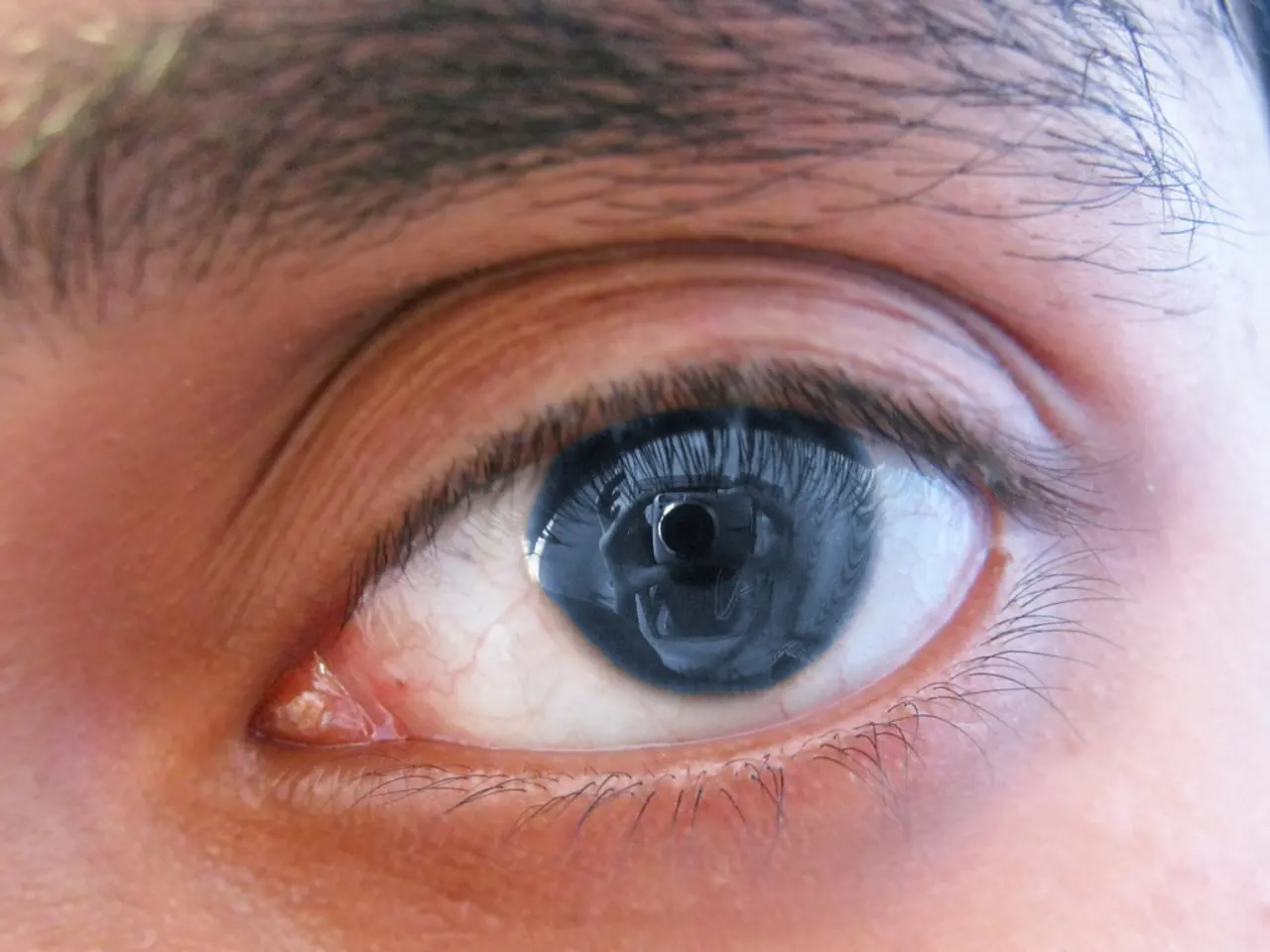
Zeaxanthin is closely tied to vitamin A and can be found in your eye's tissue. It protects your peepers from harmful damage, both from the sun's rays and pesky free radicals. Research shows that taking a supplement that contains zeaxanthin and lutein may help delay or even improve vision issues like age-related macular degeneration (AMD) or cataracts in some individuals.
Prevention and Treatment of Liver Diseases
Zeaxanthin may play a role in preventing and treating metabolic dysfunction-associated steatotic liver disease (MASLD), a not-so-friendly liver condition that develops due to unhealthy diet and lifestyle choices. Some studies also suggest it could aid in treating more common steatotic (fatty) liver disease (SLD).
Protects Against LDL Oxidation
Oxidation of LDL cholesterol can contribute to atherosclerosis, an issue that affects heart health. Lutein and zeaxanthin work together to help keep this bad boy at bay. They're transported through HDL particles (the good cholesterol carriers), which protects your liver and reduces the oxidation of the LDL cholesterol.
Skin Protection
Just like zeaxanthin and lutein protect your eyes from blue light damage, they can do the same for your skin. According to one study, taking a zeaxanthin and lutein supplement may improve skin hydration, elasticity, and reduce inflammation.
So, as you can see, zeaxanthin is no lame helmet for your body - it's a full-on Batman suit, equipped with protective superpowers for your eyes, liver, and skin.
Sources of Zeaxanthin
Here's a list of some zeaxanthin-rich foods. Good news: Since these antioxidants are found together with lutein in most foods, you'll get a dose of both nutrients when you eat these tasty treats!
- Dark, leafy greens (kale, spinach)
- Egg yolks
- Oranges
- Red grapes
- Corn
- Mango
- Honeydew melon
- Orange peppers
- Goji berries
Aim for five servings of these vibrant fruits and veggies daily, and you're well on your way to getting all the zeaxanthin (and lutein) your body needs!
Should You Take a Zeaxanthin Supplement?
In case you're struggling to hit your five-servings-per-day goal, a supplement might be a good option. But, remember, doctors always recommend chowing down on real food whenever possible. If you do decide to go the supplement route, chat with your healthcare provider to ensure it's the right choice for you.
And that's the scoop on zeaxanthin! Now go forth and torch the town with all that knowledge!
- Zeaxanthin and lutein, amongst other carotenoids, not only give vibrant fruits and vegetables their color but also play significant roles in health and wellness.
- Zeaxanthin, with its antioxidant properties, is beneficial for eye health, as research suggests it may help alleviate or delay age-related macular degeneration (AMD) and cataracts in some individuals.
- In addition to eye health, zeaxanthin reduces the risk of developing metabolic dysfunction-associated steatotic liver disease (MASLD) and could aid in treating common steatotic liver disease (SLD).
- The antioxidant properties of zeaxanthin and lutein help protect against LDL cholesterol oxidation, thus reducing the risk of atherosclerosis and benefiting heart health.
- Zeaxanthin also has potential skincare benefits, as a study suggests that taking a zeaxanthin and lutein supplement may improve skin hydration, elasticity, and reduce inflammation.