Excessive Feline Vocalizations: Understanding Your Cat's Incessant Meowing
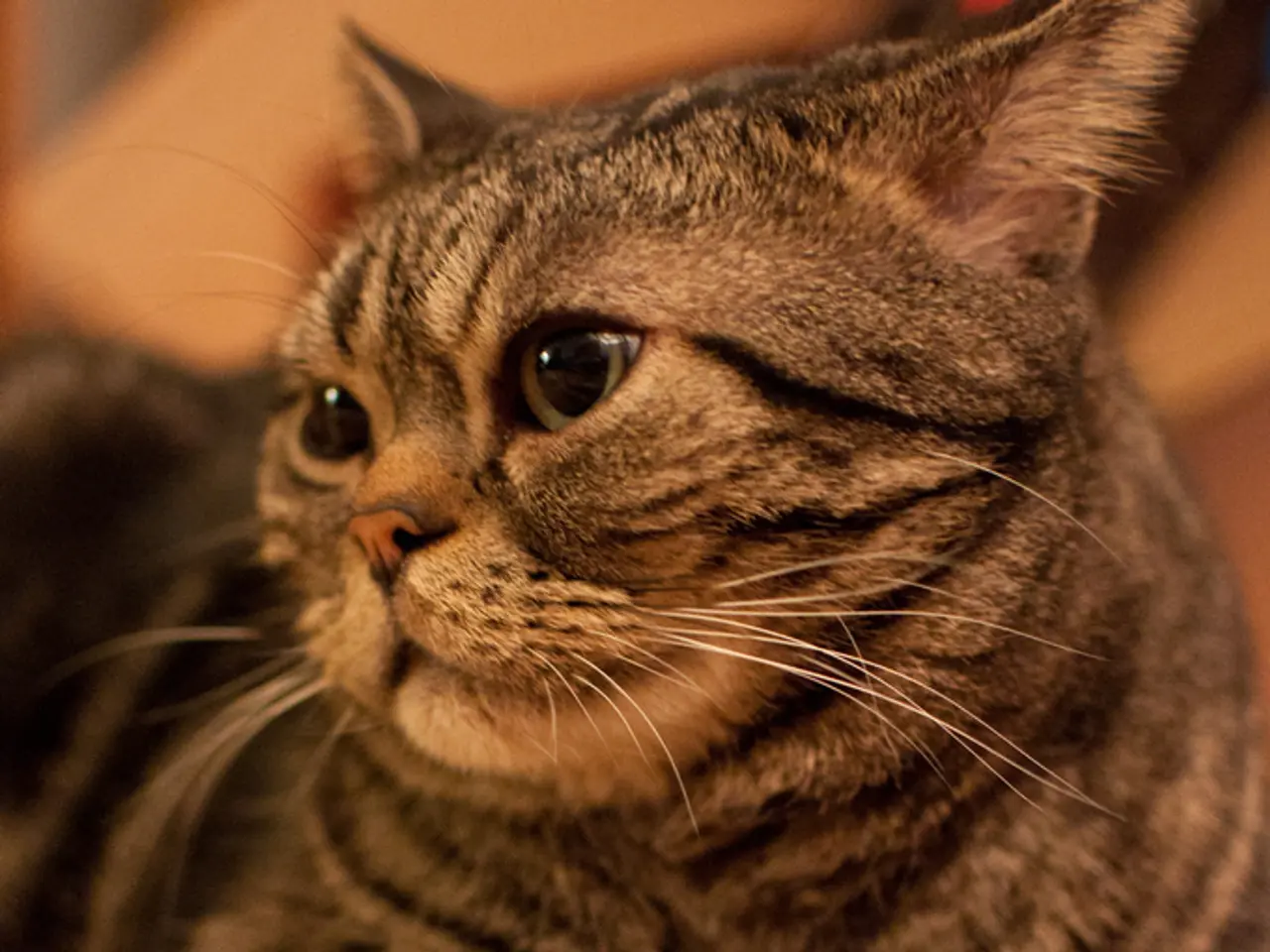
Cats are often known for their distinctive meows, but when a cat starts meowing excessively, it can be a cause for concern for their owners. There are various reasons why a cat may meow more than usual, ranging from medical conditions to behavioural factors and breed-specific traits.
Medical conditions such as urinary tract disease, kidney disease, hyperthyroidism, pain, and cognitive dysfunction in senior cats can lead to excessive meowing. Illness-induced discomfort often triggers vocalizations as a way for cats to communicate distress. Deafness may also cause cats to meow more because they cannot hear themselves well and thus vocalize louder or more persistently.
Behavioral factors encompass attention-seeking behavior, loneliness, stress or anxiety linked to environmental changes, or boredom. Cats undergoing reproductive drive (especially unspayed or unneutered) meow more due to hormonal influences during mating season. Learned behaviours can also lead to persistent meowing if the cat receives attention or food in response to vocalization.
Breed-specific traits affect meowing frequency and loudness; for example, Siamese cats are known to be very vocal compared to other breeds.
If a cat is meowing to go outside, consider providing an outdoor cat enclosure or installing a cat door to allow your feline friend some fresh air while still keeping them safe.
In summary, excessive meowing often signals an underlying need or problem—be it physical (hunger, pain, illness), emotional (attention, stress), or instinctual (reproductive behavior). Identifying the specific cause usually involves observing accompanying behaviors, the cat’s environment, health status, and breed traits.
Veterinary consultation is advisable when medical issues or sudden changes in meowing patterns occur. For long periods away from home, consider using a pet sitter to ensure your cat's needs are met. Making environmental changes, such as providing regular interaction, puzzle feeders, and toys, can also help provide enrichment for your cat.
By understanding the reasons behind excessive meowing, cat owners can take the necessary steps to address their cat's needs and maintain a harmonious household.
[1] Veterinary Medicine: Small Animal Practice [2] Cornell Feline Health Center [3] American Association of Feline Practitioners [4] International Cat Care
- Technology and science, through advancements in veterinary medicine, offer resources like the Small Animal Practice, Cornell Feline Health Center, the American Association of Feline Practitioners, and International Cat Care, which cat owners can consult to understand excessive meowing in cats, helping them meet their feline companion's needs and maintain a balanced household.
- Implementing health-and-wellness practices, such as providing regular interaction, puzzle feeders, and toys, and ensuring a mentally stimulating and enriched environment for pets, can help reduce stress, anxiety, and boredom, thereby diminishing the likelihood of excessive meowing.
- Mental health is equally important for both cat owners and their pets, with excessive meowing sometimes indicative of stress, anxiety, or attention-seeking behaviours in response to environmental changes, emphasizing the need for pet owners to create a supportive home that caters to their cat's specific needs.