Election Year 2024: Isabel Vazquez-Mercado as the Main Contender
**Overcoming the Odds: Isabel's Journey Through Prematurity**
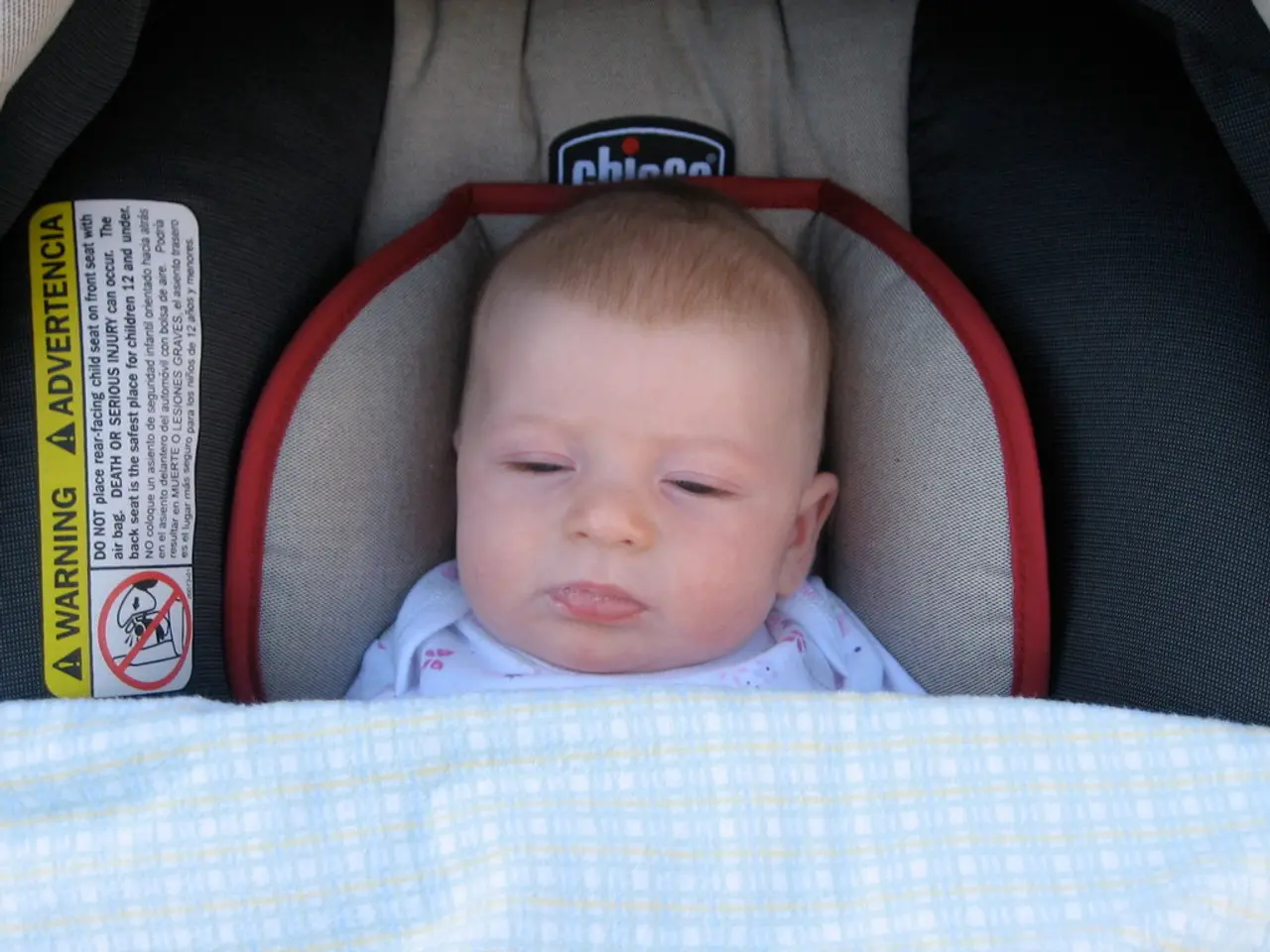
In the heart of a bustling Neonatal Intensive Care Unit (NICU), a remarkable story of resilience unfolds. This is the tale of Isabel Ruby Vazquez Mercado, a baby born at approximately 21 1/2 weeks, weighing just a single pound.
Isabel's arrival into the world was an emergency C-section, a necessary intervention to ensure her survival. From the outset, her journey was fraught with challenges, including respiratory issues, infections, and nutritional challenges, all common complications for premature babies born before 22 weeks [1][2].
Isabel required the support of high-frequency and conventional ventilators to breathe, and her care team decided to trial feeds with milk on cotton swabs and provide most of her nutrition through a nasogastric tube (NG tube) [3]. Due to the complications she faced, including Necrotizing Enterocolitis (NEC), Isabel underwent an emergency bowel resection surgery to remove dead tissue from her intestines and received an ostomy bag [5].
Throughout this challenging period, Isabel's parents, John and Claritza, remained steadfast advocates for their daughter. They prioritized being present in the NICU, offering comfort and support to their precious newborn [4].
The small-baby program in the NICU, designed to improve outcomes for vulnerable patients and support families, played a crucial role in Isabel's care [7]. This programme involves a multidisciplinary team approach, focusing on individualised care plans, family-centered care, advanced technologies, and early intervention services [2].
Despite the hurdles in her journey, Isabel is making strides and preparing to embrace the world ahead. She was discharged from the NICU on September 5, able to take all of her feeds on her own [6]. By July, Isabel was extubated and no longer required any respiratory or IV support [8].
Isabel continues to manage minor conditions associated with her extreme prematurity and receives care from Developmental and Behavioral Pediatrics to address some developmental delays [1]. Despite these challenges, her story serves as a testament to the power of resilience and the advancements in medical care and technology that are improving outcomes for premature infants [1].
References: [1] March of Dimes. (2021). Premature Birth Facts. Retrieved from https://www.marchofdimes.org/prematurity/premature-birth-facts.aspx [2] American Academy of Pediatrics. (2020). Prematurity: What Parents Need to Know. Retrieved from https://www.healthychildren.org/English/ages-stages/baby/preemies/Pages/Prematurity.aspx [3] American Pregnancy Association. (2021). Premature Infant Feeding. Retrieved from https://americanpregnancy.org/pregnancy-complications/premature-infant-feeding/ [4] Parents. (2018). How to Be an Advocate for Your Premature Baby. Retrieved from https://www.parents.com/baby/all-about-babies/advice/how-to-be-an-advocate-for-your-premature-baby/ [5] Nemours Children's Health System. (2021). Necrotizing Enterocolitis. Retrieved from https://kidshealth.org/en/parents/nec.html [6] National Institutes of Health. (2021). Premature Infant. Retrieved from https://medlineplus.gov/ency/article/001568.htm [7] American Academy of Pediatrics. (2021). Small for Gestational Age. Retrieved from https://www.healthychildren.org/English/health-issues/conditions/prematurity/Pages/Small-for-Gestational-Age.aspx [8] American Pregnancy Association. (2021). Premature Infant Development. Retrieved from https://americanpregnancy.org/pregnancy-complications/premature-infant-development/
- In the realm of health and wellness, workplace-wellness programs could incorporate therapies and treatments for managing chronic diseases such as cancer, diabetes, and neurological disorders, as well as providing resources for mental health, eye health, hearing, digestive health, and skin care.
- Despite her challenging start, Isabel's journey through prematurity underscores the importance of science in medical advances, helping premature infants like her to overcome odds and thrive, particularly in areas like cardiovascular health and respiratory conditions.
- John and Claritza's diligence in being present for their daughter during her NICU stay exemplifies the value of family-centered care in the health-and-wellness realm, fostering a supportive environment for caregivers and their loved ones.
- The story of Isabel, a premature baby surviving against all odds, highlights the significant impact of parenting on a child's development, emphasizing the need for resources for parents of premature infants.
- As Isabel continues to make strides in her development, fitness and exercise, sports, and mixed martial arts can play crucial roles in her overall health and wellness, helping to build strength, promote coordination, and foster a sense of accomplishment.
- In conjunction with her medical treatment, Isabel may benefit from therapies and treatments such as physical, occupational, and speech therapies to address any developmental delays and promote her overall well-being.
- The small-baby program in the NICU's multidisciplinary team approach, focusing on individualized care plans, echoes the benefits of tailored prevention, treatment, and care strategies in various areas of health and wellness, including mens health, womens health, and skin conditions.
- Learning from stories like Isabel's, researchers in the field of science and medicine can continue to innovate, discovery new treatments, and create technologies to improve health outcomes for premature infants and those battling medical conditions.
- Proper nutrition plays a vital role in overall health and wellness, and for premature infants like Isabel, digestive health should be prioritized to address complications like Necrotizing Enterocolitis (NEC) and ensure growth and development.
- By sharing Isabel's inspiring journey, we can raise awareness for the importance of supporting premature babies, their families, and various health conditions, fostering a more compassionate and informed community.
- Sports betting may not seem directly related to health and wellness, but a percentage of the profits from legalized sports betting could potentially fund research grants, childhood disease prevention programs, or other initiatives aimed at promoting health and wellness across communities, further emphasizing the interconnection between industries and overall health outcomes.