
Diabetic Eye Disease: Causes, Signs, and Remedies
Diabetic retinopathy, a pesky eye condition connected to diabetes, rears its ugly head due to high blood sugar levels over time screwing up blood vessels all over your bod, even ones in the retina - that's the membrane that detects light at the back of your peeper. If sugar blocks tiny blood vessels going to the retina, they might start leaking or bleed, and the eye could grow weak blood vessels that leak or bleed easily. This eye-related drama is known as proliferative diabetic retinopathy and is considered a more advanced stage compared to non-proliferative diabetic retinopathy - there's a first for everything, right?
If sugar levels in the blood stabilize, the lens usually goes back to its original shape, and vision improves. Around half of individuals with diabetes in the U.S. have some stage of diabetic retinopathy, and diabetes doubles the risk of developing cataracts and open-angle glaucoma.
But hey, not being able to see your mate's face up close might not be the first symptom of diabetic retinopathy. Some people might not have any early symptoms, but a comprehensive dilated eye exam can help catch the condition early and prevent complications. Managing the diabetes and early symptoms effectively turns out to be the best defense against diabetic retinopathy.
Diabetic retinopathy's symptoms often involve:
- blurred vision
- weird color vision
- floaters (transparent spots and dark strings that float around in your line of vision)
- patches or streaks obstructing your view
- poor night vision
- a dark or empty spot in the center of your vision
- a sudden and total loss of vision
If left untreated, diabetic retinopathy could lead to various unfortunate consequences such as vitreous hemorrhage (blood collecting in the main jelly of the eye), a detached retina (if scar tissue pulls the retina away from the back of the eye), or glaucoma (blockage in the normal flow of fluid in the eye causing optic nerve damage and vision loss).
People with diabetes have an increased chance of developing diabetic retinopathy if they're uncontrolled, have high blood pressure, high cholesterol, are pregnant, smoke regularly, or have had diabetes for a long time.
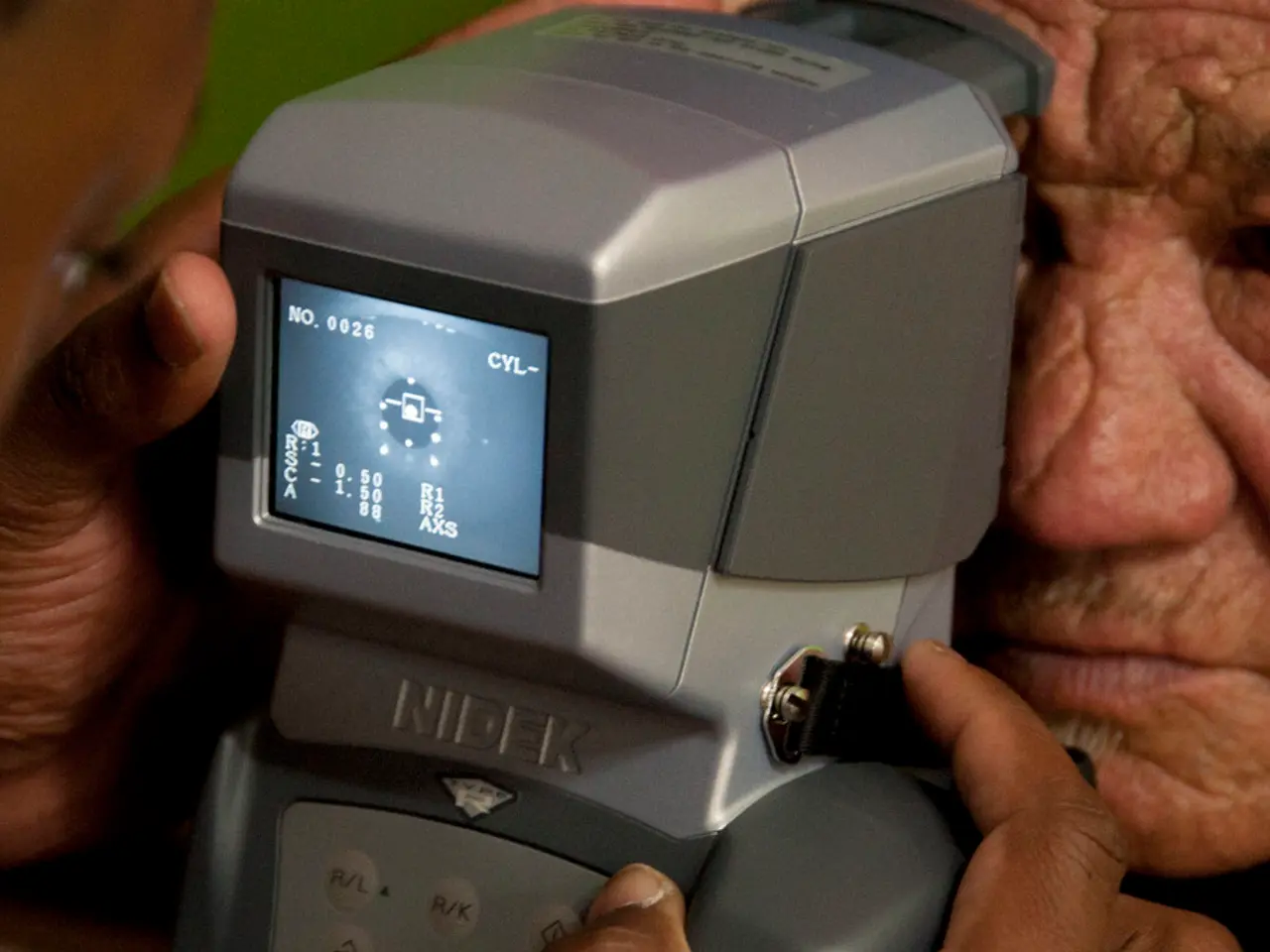
An eye specialist can detect diabetic retinopathy during a dilated eye exam or fluorescein angiography, where they take photographs of the eye's interior. Diagnosis methods also include optical coherence tomography (OCT) and ultrasound testing. Oh, and they got some fancy new imaging scans too!
Treatment for diabetic retinopathy involves various strategies, depending on the severity and response to previous treatments. Sometimes, a simple check-up every now and then is all that's needed. In more advanced cases, laser treatment, injections like anti-VEGF drugs, corticosteroids, or innovative suprachoroidal injections might be necessary, perhaps even cataract surgery to improve visual clarity.
But remember, cutting-edge treatments and annual eye exams aren't substitutes for managing diabetes well and staying proactive about your health. Maintain good blood sugar control, eat right, exercise regularly, quit smoking, limit alcohol consumption, and attend regular screenings to stay one step ahead of diabetic retinopathy.
So there you have it, folks! The pimple-faced balls and chains of diabetic retinopathy explained in an informal, dry-humored, and straightforward manner. Keep an eye on your eyes and your sugars as you live your life to the fullest – hopefully without unnecessary complications!
References:
- Diabetic Retinopathy, American Academy of Ophthalmology, Link
- Intravitreal Triamcinolone Acetonide, National Eye Institute, Link
- Diabetic Retinopathy, Mayo Clinic, Link
- Diabetic Retinopathy, American Optometric Association, Link
- Uncontrolled diabetes increases the risk of developing diabetic retinopathy, a chronic eye condition related to diabetes.
- Diabetic retinopathy can be detected early through comprehensive dilated eye exams, fluorescein angiography, optical coherence tomography, or ultrasound testing.
- If left untreated, diabetic retinopathy could lead to serious consequences like vitreous hemorrhage, a detached retina, or glaucoma.
- Management of diabetes, along with maintaining good nutrition, regular exercise, and quitting smoking, can help prevent and manage diabetic retinopathy.
- Treatment options for diabetic retinopathy may include check-ups, laser treatments, injections, or even cataract surgery, depending on the condition's severity.
- Diabetic retinopathy is more likely to occur in individuals with high blood pressure, high cholesterol, pregnancy, a history of smoking, or a long-term diabetes diagnosis.
- Mental health, fitness, and wellness play an important role in managing diabetes and preventing diabetic retinopathy.
- By staying informed, managing diabetes actively, and attending regular screenings, one can potentially lessen the impact of diabetic retinopathy in their life.